Living with Parkinson’s disease can be challenging, particularly when balance becomes an everyday hurdle. As Parkinson’s progresses, maintaining balance becomes increasingly difficult, hindering one’s ability to engage in the activities they love. Susan was a vibrant individual whose life was impacted by the challenges of Parkinson’s disease and the balance issues associated with it.
Once an active participant in outdoor activities, Susan navigated each step with caution and uncertainty. Determined to regain her confidence on her feet, Susan turned to physical therapy. Physical therapy can help those with Parkinson’s disease regain independence, mobility, and balance.
Ready to regain stability and independence with physical therapy for Parkinson’s disease and balance issues? Call our team at Evidence PT in Glenn Dale, MD, Clinton, MD, and Laurel, MD today to learn more!
Understanding Balance Issues Associated with Parkinson’s Disease
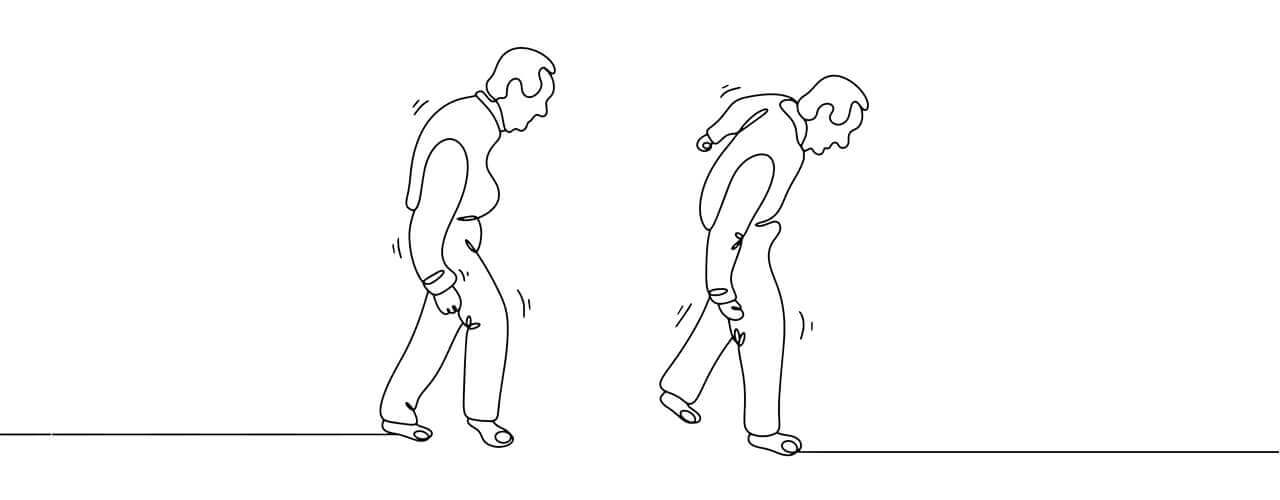
The connection between Parkinson’s disease and balance refers to the challenges individuals like Susan face in maintaining stability and coordination due to the progressive neurological effects of the disease. These balance difficulties can significantly impact daily activities and increase the risk of falls.
Common Balance Challenges
Postural Instability
- Maintaining an upright posture becomes difficult, leading to a stooped or slouched position. This instability increases the risk of falls, especially when transitioning from sitting to standing or during walking.
Impaired Balance
- Maintaining balance, particularly when standing still or changing directions. Some individuals may sway or feel unsteady on their feet, contributing to a fear of falling and reduced confidence in their mobility.
Freezing of Gait
- Freezing episodes are times when one feels like their feet are glued to the ground, making it challenging to initiate or continue walking. These freezing episodes often occur during stressful situations or when navigating tight spaces.
The causes of balance difficulties are multifactorial and result from the degenerative changes in the brain associated with Parkinson’s disease.
Common Factors Contributing To Balance Difficulties
Dopamine Deficiency
Parkinson’s disease primarily affects dopamine-producing neurons in the brain, leading to a reduction in dopamine levels. Dopamine plays a role in regulating movement and balance, so its deficiency can result in impaired motor control and coordination.
Neurological Changes
Parkinson’s disease causes structural and functional changes in the brain, particularly in areas responsible for motor control and balance, such as the basal ganglia and cerebellum. These changes disrupt the brain’s ability to coordinate movements and maintain balance.
Musculoskeletal Changes
Parkinson’s disease can also affect the musculoskeletal system, leading to muscle stiffness, rigidity, and reduced range of motion. These physical changes can further impair balance and mobility, making it difficult for individuals like Susan to move freely and confidently.
By addressing these underlying factors and implementing targeted interventions, physical therapy can help individuals like Susan manage Parkinson’s disease balance difficulties and improve their overall quality of life.
How Physical Therapy Can Help You with Balance And Gait Disorders
Physical therapy plays a vital role in managing balance and gait disorders associated with Parkinson’s disease. Here are the various treatment methods we used to address these challenges with Susan.
Susan’s Path Toward Renewed Balance
Balance Training
- We designed customized balance exercises to improve Susan’s stability and reduce the risk of falls. These exercises included weight shifting, standing on uneven surfaces, and practicing functional movements like stepping over obstacles.
Strength and Flexibility Exercises
- Susan performed strengthening and flexibility exercises targeting specific muscle groups involved in posture and locomotion. These exercises helped improve muscle strength and flexibility, supporting her body weight and promoting proper alignment.
Proprioceptive Training
- Susan participated in exercises to enhance sensory feedback and proprioceptive awareness. These activities challenged and stimulated her proprioceptive system, helping her better understand her body’s position in space.
Functional Mobility Training
- Susan practiced everyday activities to enhance her independence and confidence. We simulated real-life scenarios, including navigating stairs and reaching for objects to improve her functional mobility.
Assistive Devices
- Susan received guidance on selecting and using assistive devices such as canes or walkers to support her balance and mobility, especially when she feels extra unsteady.
Education and Fall Prevention
- Susan learned about fall prevention strategies, home safety modifications, and energy conservation techniques to manage her condition effectively and minimize the risk of falls.
Through these comprehensive treatment methods, physical therapy can significantly improve balance and mobility in individuals with Parkinson’s disease like Susan, enhancing their overall quality of life and independence.
Empowering Your Journey: Seeking Balance with Parkinson’s Disease through Physical Therapy
Seeking physical therapy for Parkinson’s disease and balance management can significantly improve one’s quality of life, like Susan did, by addressing their specific challenges. With tailored interventions and guidance from experienced therapists, individuals can regain control over their movements, reduce the risk of falls, and enjoy a more active and fulfilling lifestyle.
If you or a loved one is experiencing symptoms of balance challenges, take the first step toward better health and mobility by contacting our team at Evidence PT in Glenn Dale, MD, Clinton, MD, and Laurel, MD today. Let us help you navigate your journey to improved balance and gait function.