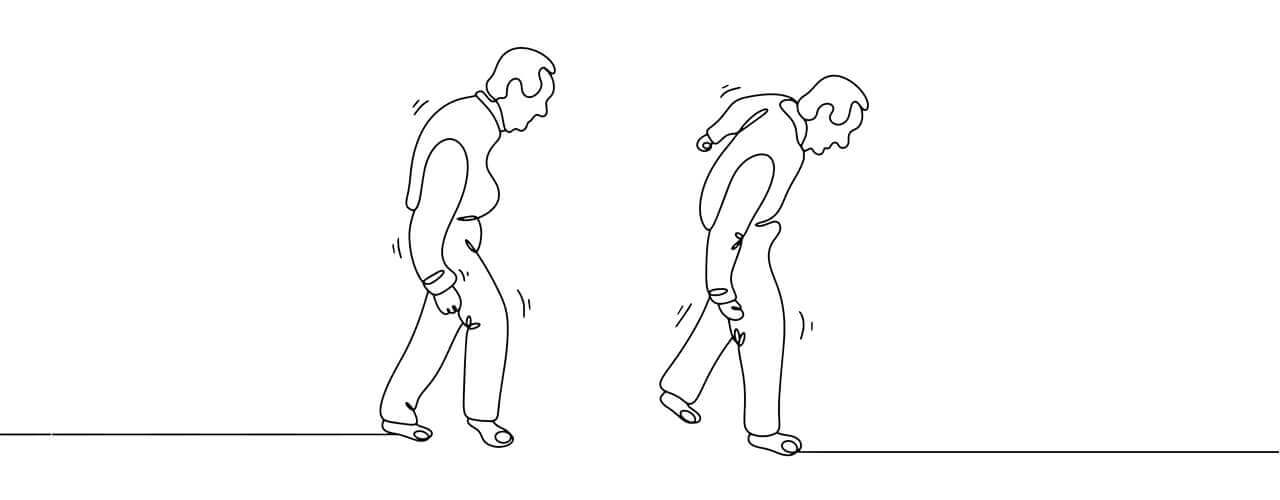

Multiple sclerosis (MS) poses unique challenges, affecting the central nervous system and disrupting communication between the brain and the rest of the body. Exercise and multiple sclerosis are connected with exercise playing an important role in managing multiple sclerosis. Engaging in regular exercise and stretching routines can profoundly impact the progression of MS symptoms, enhance mobility, and improve overall quality of life.
At our clinic, we understand the importance of tailored exercise programs in empowering individuals with MS. Call our team at Evidence PT in Glenn Dale, MD, Clinton, MD, and Laurel, MD today for more information if you are living with multiple sclerosis or would benefit from specialized treatments to help manage your symptoms.
Unveiling the Benefits of Exercise for Multiple Sclerosis
Exercise can play a pivotal role in managing the symptoms of multiple sclerosis and promoting holistic well-being. According to the National Multiple Sclerosis Society, regular physical activity offers a myriad of benefits for individuals living with MS:
Improved Mobility and Balance
- Engaging in targeted exercises enhances muscle strength, flexibility, and balance, helping individuals with MS maintain stability and coordination, reduce the risk of falls, and enhance mobility.
Reduced Fatigue
- Contrary to common misconceptions, exercise can alleviate fatigue associated with MS by boosting energy levels, improving sleep quality, and enhancing overall endurance and stamina.
Enhanced Mood and Mental Health
- Regular physical activity releases endorphins, neurotransmitters that promote feelings of well-being and reduce stress, anxiety, and depression.
Better Cognitive Function
- Exercise has been shown to stimulate neuroplasticity, the brain’s ability to adapt and reorganize, potentially enhancing cognitive function, memory, and concentration.
Improved Bladder and Bowel Function
- Certain exercises, such as pelvic floor exercises and core strengthening, can help manage bladder and bowel dysfunction, common symptoms of MS, by promoting better control and coordination of these muscles.
Here are 5 Effective Exercises and Stretches to Aid in Managing Multiple Sclerosis
The following exercises and stretches are general recommendations that may assist in alleviating and managing specific symptoms of MS. However, it’s important to consult with our team at Evidence PT before attempting any new exercises to ensure that you are performing the movements correctly and to demonstrate any adaptations that may benefit you. Collaborating with our team also provides you with a more personalized approach to managing your symptoms.
1.Seated Marching
Sit on a stable chair with your feet flat on the floor. Lift one knee towards your chest while keeping your back straight. Alternate legs in a marching motion. Perform 10-15 repetitions on each leg, gradually increasing as tolerated. For an added challenge, hold light hand weights or add resistance with ankle weights.
2.Standing Calf Stretch
Stand facing a wall with your hands against it. Place your feet so one foot is ahead of the other. Step back a foot or two with your back foot, keeping your leg straight, and pressing your heel into the floor. Lean forward slightly until you feel a stretch in your calf. Hold the stretch for 20-30 seconds on each leg, repeating 2-3 times. Perform this stretch daily or as needed to alleviate calf tightness.
3.Modified Plank
Begin on your hands and knees, with your wrists aligned under your shoulders. Extend one leg back, keeping it straight, and then extend the opposite arm forward. Hold for a few seconds, then switch sides. Hold each position for 5-10 seconds, alternating sides for 2-3 sets. Focus on maintaining proper form and engaging the core muscles throughout the exercise.
4.Seated Torso Twist
Sit tall in a chair with your feet flat on the floor. Place each hand on the opposite shoulder, creating an “X” over your chest with your arms. Slowly rotate your torso to one side, keeping your hips stationary. Hold for a few seconds, then return to the center and repeat on the other side. Perform 10-12 repetitions on each side, gradually increasing the range of motion as tolerated. Focus on controlled movement and breathing throughout the exercise.
5.Standing Hip Flexor Stretch
Stand with one foot forward and one foot back in a staggered stance, about a foot apart. Keeping your back straight, gently push your hips forward until you feel a stretch in the front of your hip. Hold the stretch for 20-30 seconds on each side, repeating 2-3 times. Avoid arching your lower back excessively and focus on feeling the stretch in the front of your hip.
Incorporating these exercises and stretches into your daily routine, along with seeking guidance from our experienced physical therapists, can significantly enhance your management of multiple sclerosis symptoms. Our clinic is dedicated to providing personalized care and support, ensuring your journey towards managing MS is smooth and effective.
Unlocking the Power of Movement: A Path to Empowerment for Those with Multiple Sclerosis
Exercise for multiple sclerosis is not just about physical movements; they are pathways to empowerment and improved quality of life. By incorporating targeted exercises and stretches into your daily routine, you can take proactive steps toward managing the symptoms of multiple sclerosis and reclaiming control over your health and well-being.
Whether you’re seeking relief from muscle stiffness, fatigue, or balance issues associated with MS, our comprehensive approach can help you overcome these challenges and thrive. Don’t let multiple sclerosis dictate your life; take charge of your health today and unlock the power of movement. Call our team at Evidence PT in Glenn Dale, MD, Clinton, MD, and Laurel, MD to learn more about physical therapy and exercise for multiple sclerosis.