
Our bodies are amazing machines. Not only do they have the ability to heal and repair themselves, they can adapt to nearly any situation. That includes the types of things we put into them. Temporarily taking medicine to control your pain as you recover from an injury or surgery can be a viable part of your treatment plan. However, taking these medications on a regular basis, over a long period of time creates dependency and fails to address the underlying problem. Fortunately, physical therapy can reduce dependence on pain medication while restoring the body’s function. Call our office today to find out how a physical therapist can help.
How Pain Medication Works
There are two basic types of pain medication – non-steroidal anti-inflammatory drugs (NSAIDs) and analgesics. While NSAIDs are aimed at reducing inflammation in a particular part of the body, thereby reducing pain, analgesics (including opioids) work by blocking the pain receptors in the brain. Whenever you are hurt, your body produces natural opioids. These travel to the brain where they join with opioid receptors to reduce pain levels throughout the body. When you take prescription opioids, you are flooding the brain with these chemicals that quickly bind to the opioid receptors and keep pain signals from reaching your brain. This is a great short-term solution immediately after surgery when pain levels are high and physical activity levels are intentionally low. However, there is the risk of dependency even in short-term courses of medication.
Dependency vs Addiction
We often throw around the words “dependency” and “addiction” interchangeably. However, they are very different processes in the body. Remember how your body has an incredible ability to adapt to nearly any situation? As your brain is flooded with synthetic opioids, it adapts to having that level of opioid readily available. Your body produces less opioid on its own while your brain begins to depend on high levels for relief. Soon, you require higher and higher doses of the painkiller to receive the same benefit. The body also begins to feel more pain as the underlying problem worsens. Addiction refers to the compulsion to use a drug, despite its negative effects.
How Physical Therapy Can Help
Regardless of the pain source, prescription painkillers fail to address the structural problems at the root of your discomfort. Physical therapy is the process by which you regain your ability to move. As this happens, you experience less pain and require fewer prescription pain medications to find the same amount of relief.
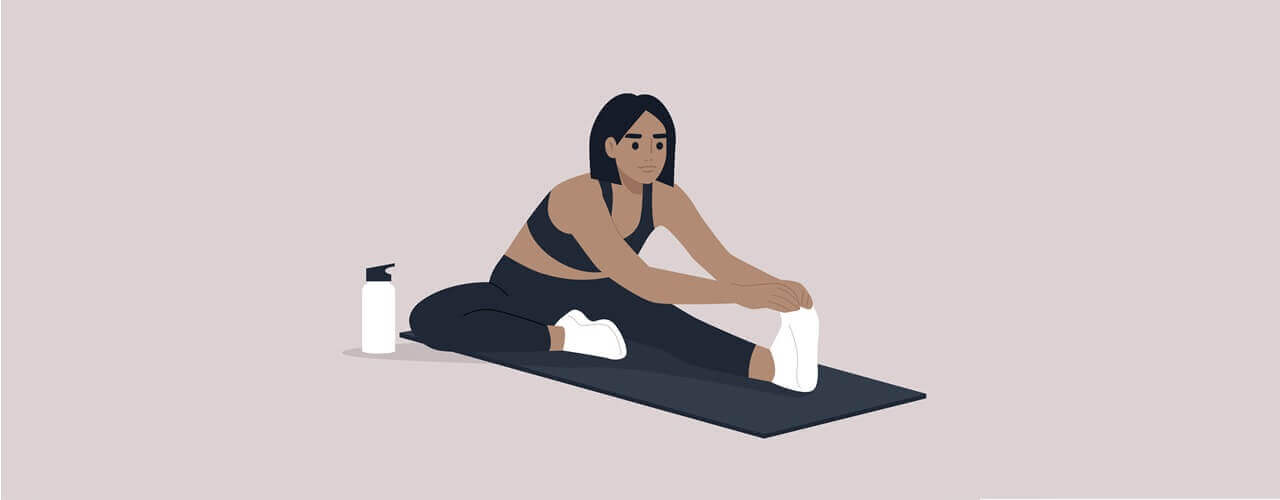
A physical therapist will begin by taking a full history, including the amount of painkillers you are currently taking. Next, they will evaluate your body’s function and movement. Once they identify areas that require physical therapy, the physical therapist will create a treatment plan designed to help restore your mobility, flexibility and strength. Over the course of your physical therapy experience, they will give you non-drug pain relieving methods such as ice, heat, electrical stimulation, massage, ultrasound therapy, and more. They may prescribe specific stretches to do at home or at work along with strengthening exercises to incorporate into your day. The better you adhere to their treatment plan, the more your body will adapt to your new norm, the better the result.
If you are ready to end your relationship with pain and pain medicine, call our office today to schedule your free consultation. Our physical therapist is ready to get you back on your feet!